
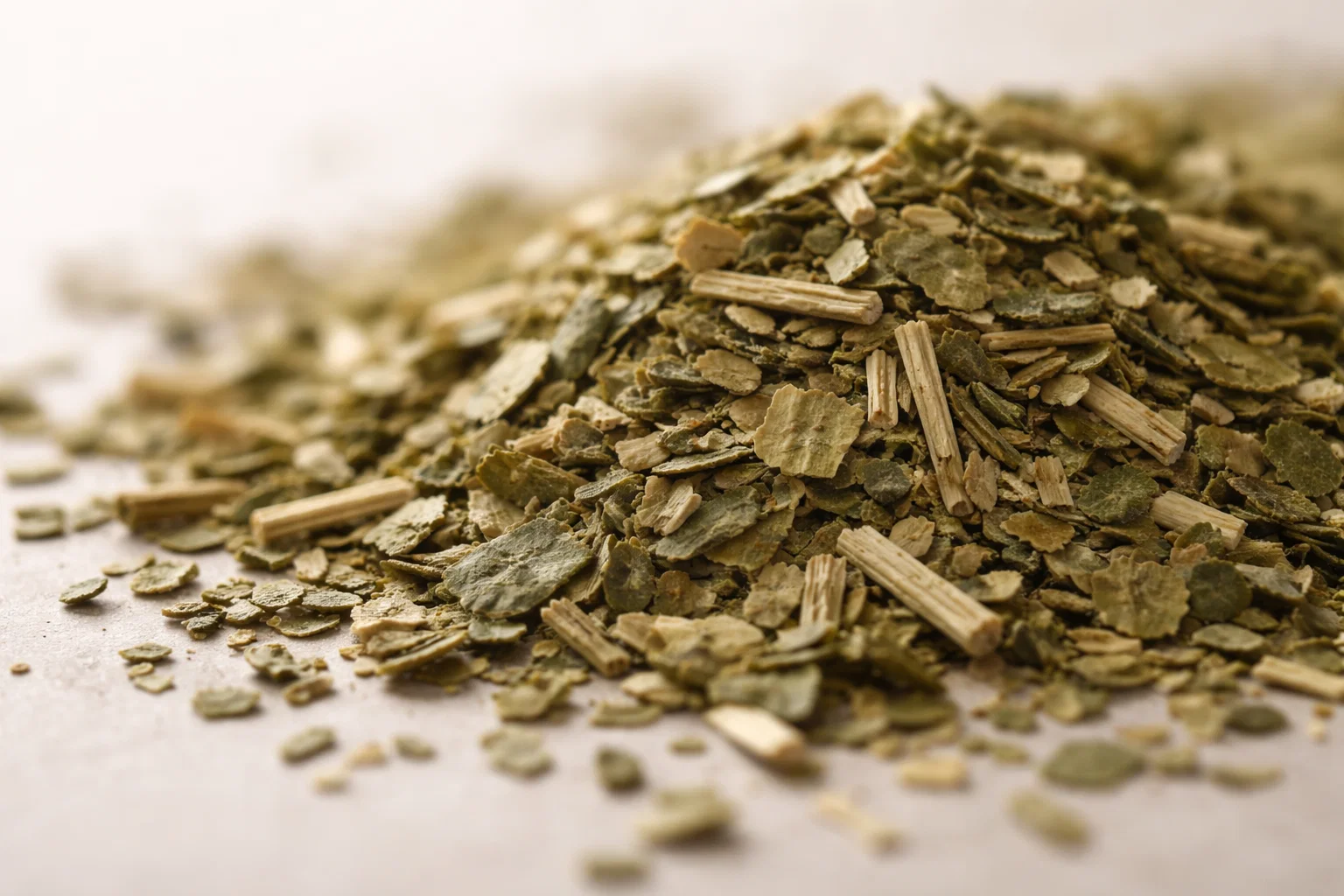
Yerba mate is a herbal infusion rich in antioxidants, mild stimulants and bioactive compounds. Studies suggest it may support energy, metabolism and cardiovascular health, while excessive hot consumption or caffeine sensitivity can cause side effects. Read further to learn science-based benefits and safe use.
Yerba mate, made from the leaves of Ilex paraguariensis, has been enjoyed across South America for centuries. Today, it is becoming popular around the world as a smoother caffeine alternative to coffee, valued for offering alertness without overstimulation. But what exactly makes this drink unique and how does it affect the body? Below we break down what research says – benefits, risks and how to drink it safely.
What makes yerba mate different from coffee or tea

Yerba mate contains a distinctive combination of compounds that influence energy, mood, metabolism and inflammation. The most studied ones are:
1. Caffeine
- stimulates the central nervous system
- increases alertness, reaction time and focus
- amount varies but averages with about 50-80 mg per cup, depending on preparation method
Caffeine blocks adenosine receptors in the brain, delaying fatigue and improving concentration.
2. Theobromine
- also found in cacao
- milder stimulant than caffeine
- improves mood and supports sustained energy
Theobromine works more in the cardiovascular system than the brain, encouraging gentle stimulation without jitters.
3. Theophylline
- similar compound found in tea
- relaxes smooth muscles
- supports oxygen flow and respiratory function
This is why yerba mate often feels like clear breathing and bright focus rather than a fast caffeine spike.
4. Polyphenols (chlorogenic acid & others)
- strong antioxidants
- protect cells from oxidative stress
- linked to reduced inflammation
A study found that mate often has comparable or greater antioxidant potential than green tea.
5. Saponins
- plant compounds with anti-inflammatory effects
- may support cholesterol regulation
- give mate a slightly foamy top when shaken
Research suggests saponins contribute to immune support and metabolic balance.
This combination explains why many drinkers describe mate as steady, clean energy with mental clarity rather than wired energy.
The benefits of yerba mate
1. Smooth energy and focus
Yerba mate offers stimulation without the intensity of coffee. Because caffeine is balanced with theobromine and theophylline, energy release is more gradual. It can enhance concentration for reading, writing, coding or deep study periods.
Users commonly report:
✔ alert but calm
✔ less jitteriness
✔ better focus span
✔ minimal crash after
Research shows that caffeine can improve reaction time and cognitive performance, especially in moderate doses.
2. High antioxidant content
Yerba mate contains polyphenols such as chlorogenic acid which reduce oxidative stress, a process linked to ageing and chronic inflammation.
A comparative study suggests yerba mate may have antioxidant activity comparable or sometimes higher than green tea.
3. May support metabolism and fat oxidation
Some evidence suggests mate can increase fat oxidation during exercise, support metabolism and assist with weight management when part of an active lifestyle.
Studies found improvements in cholesterol markers and reduced body fat percentage in participants consuming mate regularly.
4. Heart and gut support
Antioxidants and saponins may help reduce LDL cholesterol and support cardiovascular health. Fermented or cold mate versions can support digestion and gut comfort for some people.
Mate also contains minerals like potassium and magnesium which aid hydration balance.
5. Mood and motivation

The presence of theobromine gives mate a mild uplifting effect similar to cacao. Combined with caffeine, many people describe it as clear motivation rather than nervous energy.
The ritual of preparing mate also supports mindfulness and grounding. Slow sipping encourages presence and calm routine.
Potential side effects and cautions
Yerba mate is generally safe for most people when consumed mindfully and in moderation, but awareness matters.
1. Caffeine sensitivity
Everyone’s sensitivity to caffeine varies, depending on individual metabolism and how quickly caffeine is eliminated from the body. If you are sensitive to stimulants, mate can still cause:
- restlessness
- insomnia (if evening use)
- increased heart rate
Start with small amounts or iced mate for gentler release.
2. Very hot drinks and cancer studies
Some observational studies link very hot beverages (above 65°C) to increased risk of oesophageal cancer, especially when taking big “rushed” sips. Research suggests the risk relates to repeated consumption of scalding drinks rather than mate itself.
Solution: brew mate at 70 to 80°C, avoid boiling water, and drink once cooled down slightly.
Tip: Most materos also cure the yerba leaves in their gourd with an initial pour of cold water. This prevents burning of the yerba (which can occur when water is too hot), keeps the flavour smoother by avoiding bitterness, and lowers the risk of burning your mouth.
3. Interactions and overuse
Large long term consumption can occasionally lead to:
- headaches
- dependency
- digestive discomfort if too strong
Pregnancy, cardiovascular medication, or anxiety conditions may require more caution. Speak to a healthcare provider if unsure. For most healthy adults, moderate consumption – around 2 to 3 servings per day – fits comfortably within the recommended daily caffeine limit of 400 mg.
How does yerba mate feel mentally and physically
Most people describe the effect as:
✨ awake, clear, not anxious
✨ steady focus for reading or studying
✨ no coffee crash
✨ brighter mood + light motivation
This relatable difference is common, especially for people who metabolise caffeine fast.

Fun fact:
During the FIFA World Cup 2022, Argentina travelled with over half a ton of yerba mate to Qatar. Yes – 500+ kilograms. And it’s no wonder – Messi has been seen drinking mate during training, travel and pre-match routines many times, which also helped bring global attention to the drink.
And it’s not just football either, Argentinian rugby team analysts are known to fill their conference rooms with yerba gourds when touring internationally – this was confirmed by a former colleague who’s seen it firsthand.
Quick comparison table
| FEATURE | YERBA MATE 🧉 | COFFEE ☕️ | TEA 🍵 |
| Caffeine feel | steady clarity | strong spike | gentle |
| Jitters | low to moderate | more likely | low |
| Crash | uncommon/low | common | uncommon |
| Antioxidants | high | moderate | high (varies) |
| Bioactive compounds | caffeine + theobromine + theophylline | caffeine dominant | caffeine + L-theanine |
| Best for | study focus & sustained work | fast wake up | calm afternoons |
Key takeaway
Yerba mate sits beautifully between tea and coffee. It offers stimulation and clarity while being rich in antioxidants and plant compounds with promising benefits. As with all caffeinated drinks, moderation and temperature awareness matter, but when consumed responsibly, mate can be a supportive part of everyday wellness.
So should you (or shouldn’t) drink yerba mate? Moderation is key, as they say. Despite all the benefits, yerba still contains caffeine which is comparable to a cup of coffee, especially the first pours, and it should be consumed with caution and in moderation, particularly by individuals with high blood pressure for example. And, as research shows, using hotter (or boiling) water releases more caffeine, so keep in mind: moderate temperature; not only for better taste, but also to avoid excessive caffeine intake.
Ready to explore mate more deeply?
Try reading next:
👉 Yerba mate gear 101: what you really need (and what you do not)
Coming soon:
👉 Natural flavour combinations for mate (hot and iced ideas)
👉 Study hacks for better focus with routines and mindful breaks
Sip mindfully and stay balanced. 💚
FAQ
Is yerba mate healthier than coffee?
Yerba mate contains less caffeine on average, more polyphenols and additional compounds like theobromine. It may feel smoother for people sensitive to coffee, while still providing focus and alertness.
How much yerba mate is safe per day?
Most research suggests 2-3 servings daily is well tolerated for healthy adults.
Does yerba mate help with focus?
Yes – the caffeine + theobromine combination supports steady alertness without typical coffee jitters.


Leave a Reply